
Mason Wales
Honours B.A. (English & American Studies), M.A. (American Cultural Studies), Ph.D. (cand) Media Studies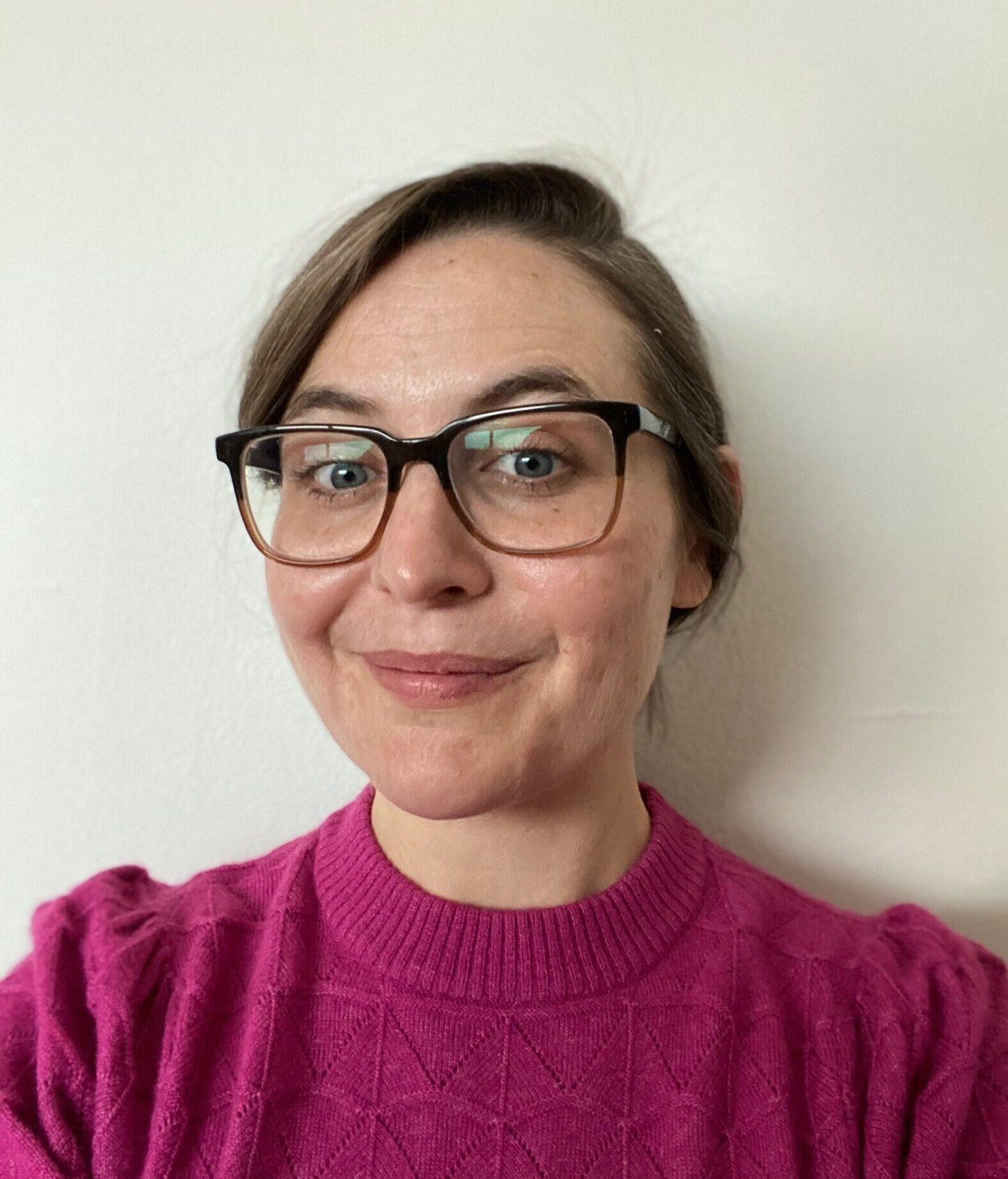
Subject: Language Arts
What will my child walk away with? A broad educational foundation and the flexible thinking that comes from learning to make connections across disciplines. My interdisciplinary background spanning literary theory, political philosophy, political history, and media studies gives me an unusually wide toolkit for teaching students to read, write, and think critically.
What can families expect? A teacher whose approach is grounded in active and participatory learning. I believe a broad foundation is the key to unlocking student potential, and I build classes that develop both critical thinking and communication skills in tandem.
What does class actually feel like? Intellectually engaging and collaborative. I draw on connections between ideas, periods, and disciplines to help students see that the skills they are developing in one context transfer directly to others. Students leave with more than they expected to take away.
How do you challenge a curious mind? I push students toward original connections, not just synthesis of existing ones. A curious student who can summarize an argument needs to learn how to evaluate it, extend it, and complicate it. That is where the real intellectual work begins.
Credentials and Experience Ph.D. candidate in Media Studies, York University. M.A. in American Cultural Studies, Western University. Honours degrees in English and American Studies, University of Toronto. Research published in national and international journals. Recipient of The Canadian Association for American Studies Ernest Redekop Prize for a recent article on Hannah Arendt’s concept of natality in relation to U.S. political television. Years of undergraduate teaching experience.
Why Mason? Why Brain Power?
My research lives at the intersection of political culture and popular media, which means I am always thinking about how ideas circulate and why some arguments persuade while others do not. Teaching students to read that landscape critically is one of the most useful things I can do for them.