
Language Arts
Intermediate 1
What Happens in Every Class
Vocabulary
Most weeks, students learn 12 high-usage words common in gifted education (usually referred to as Tier 2 or 3 words). In total, they learn 360 vocabulary words over the course of the year. Students reinforce their vocabulary knowledge through interactive games, in-class quizzes, and homework activities. Vocabulary words reappear in readings, discussions, and writing assignments.
Grammar
Our time-traveller, Lexa, guides students through the grammar lesson each week. Lexa teaches students about an element of grammar, such as run-on sentences and comma splices. They then apply that knowledge by identifying and correcting errors in a story based on Lexa’s historical travels, which she follows with questions designed to spur their creative and critical thinking.
Reading & Writing
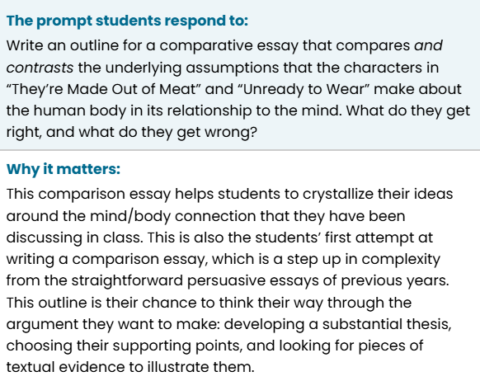
In our weekly reading and discussion time, we read a story together, and students respond to critical questions designed to help them interpret and analyze texts with more complexity and depth. Corresponding writing assignments allow students to improve their writing skills, while giving them experience in several different genres, genres of writing, including personal narratives, reflective and critical pieces, and comparative essays.
Creativity & Critical Thinking
Every in-class reading is accompanied by a Socratic discussion led by PhD and expert instructors. Students are expected to form their own positions on some “big ideas” and defend them in exchanges with the teacher and their classmates. Creativity is fostered both in classroom discussion and homework assignments that ask students to write personal narratives and reflections related to the week’s reading and discussion.
Curriculum Spotlight
Bodies, Minds, and Knowledge
In Lessons 10 & 11, students read “They’re Made Out of Meat” by Terry Bisson and “Unready to Wear” by Kurt Vonnegut. Both texts are concerned with the relationship between the body and the mind. In the first, aliens visiting Earth have a hard time believing that humans can think using only meat (our brains). In the second, one group of humans learns the secret of living without their bodies, while the rest view them as traitors that have abandoned the human race. These texts help students to reframe our big theme for the year: epistemology (the nature of knowledge and knowing). We often oppose thought to matter and minds to bodies, but how true is this? How much of what we know, and what we experience, and who we are depends upon our bodies? Are our minds and our brains the same thing? If not, what is the mind?
What Topics Do we Cover in this Level?
Grammar & Vocabulary
• Advanced sentence structures
• Grammar, punctuation, and syntax
• Sentence variety and cohesion
• Style and tone
• Building 300+ vocabulary words
• Using precise academic and literary vocabulary
and more
Critical Thinking & Creativity (Reading & Discussion)
• Fiction and non-fiction
• Short stories and novels
• Comparing texts and perspectives
• Analyzing themes and author choices
• Evaluating evidence and interpretations
• Discussing increasingly abstract and complex ideas
and more
Writing
• Reflective writing
• Comparative writing
• Personal narratives
• Persuasive essays
• Developing comparative arguments
• Selecting and explaining evidence to support ideas
and more
How Does Brain Power Compare?

Explore Locations
Find this program at these campuses
This program is currently offered and find a location that works for you.
British International School of Houston
Houston
Hills of St. Andrew
Aurora
Online Learning

Thornhill Woods
Vaughan
Oak Ridges/Jefferson
Richmond Hill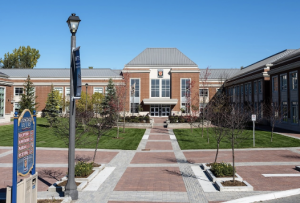
Olde Oakville
Oakville
Bathurst Manor
North Toronto
Port Credit
Mississauga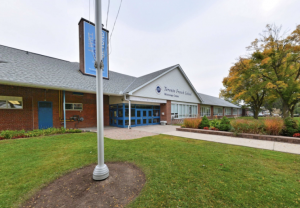
Summerhill
Midtown Toronto
Downtown Markham
Markham
Kingsway, High Park
Etobicoke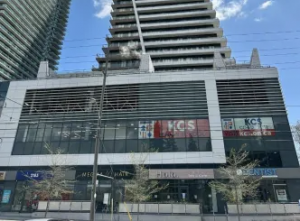
Annex
Downtown Toronto
Central Burlington
Burlington