
Language Arts
Primary 2
What Happens in Every Class
Vocabulary
Most weeks, students learn 6 high-usage words common in gifted education (usually referred to as Tier 2 or 3 words). In total, they learn 180 vocabulary words over the course of the year. Students reinforce their vocabulary knowledge through interactive games, in-class quizzes, and homework activities. Vocabulary words reappear in readings, discussions, and writing assignments.
Grammar & Spelling
Our lovable character Robo guides students through their grammar and spelling each week. Students learn about a specific element of grammar, such as subjects and predicates. They then apply that knowledge by identifying and correcting errors in an entertaining story of Robo’s adventures. He then helps them spell words that share special sounds or combinations of letters.
Reading & Writing
In our weekly reading and discussion time, we read an advanced text, and students respond to questions designed to help them think about its characters, plot, and key themes. Corresponding weekly writing assignments allow students to improve their writing skills, while giving them practice in several different types of writing, including creative writing, opinion writing, informative writing, and personal narrative writing.
Creativity & Critical Thinking
Every in-class reading is accompanied by a Socratic discussion led by PhD and expert instructors. Students are encouraged to form their own opinions and engage with the opinions of their teacher and classmates. Creativity is fostered both in classroom activities and homework assignments that ask students to write original creative works, opinion pieces, or personal narratives or reflections related to the week’s reading and discussion.
Curriculum Spotlight
Can Arithmetic Cure a Mosquito Bite?
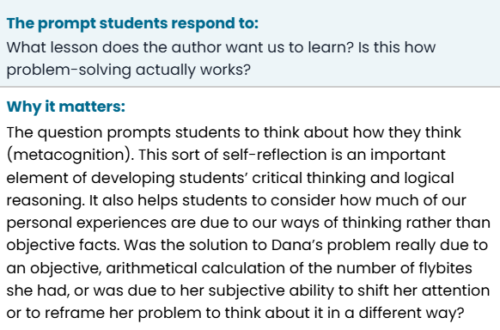
In Lesson 19, students read Chapters 11-15 from their novel study for the course: Sideways Stories from Wayside School by Louis Sachar. In Chapter 11, Dana has 17 mosquito bites and cannot stop itching. Mrs. Jewls tells her: what she needs is a good strong dose of arithmetic. She makes Dana count and add up every bite. By the time she reaches 17, the itching has stopped completely. The class asks, “What lesson does the author want us to learn? Is this how problem-solving actually works?” Students identify what a piece of surreal humour can reveal about real thinking. Then they write a structured character study — two full paragraphs, with evidence — on the character who stood out to them most from Chapters 11-15.
What Topics Do we Cover in this Level?
Grammar & Vocabulary
• Sentence structure and sentence variety
• Parts of speech
• Capitalization and punctuation
• Spelling patterns and word study
• Expanding vocabulary through reading and discussion
• Using precise words to communicate ideas
and more
Critical Thinking & Creativity (Reading & Discussion)
• Fiction and non-fiction
• Picture books, short stories, and chapter books
• Identifying main ideas and supporting details
• Making predictions and inferences
• Discussing characters, themes, and key ideas
• Connecting reading to personal experiences and the wider world
and more
Writing
• Short creative stories
• Opinion and reflective writing
• Informational writing
• Personal narratives
• Organizing ideas into 1–2 paragraphs
• Adding details and examples to support ideas
and more
How Does Brain Power Compare?

Explore Locations
Find this program at these campuses
This program is currently offered and find a location that works for you.
Port Credit
Mississauga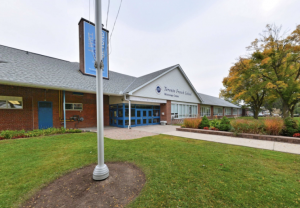
British International School of Houston
Houston
Kingsway, Humber Valley
Etobicoke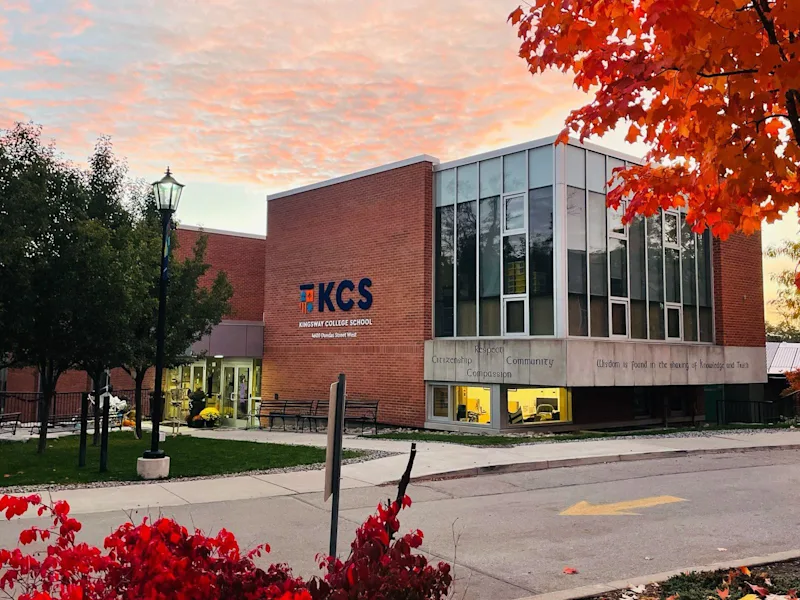
British International School of Chicago Lincoln Park
Chicago
Hills of St. Andrew
Aurora
Thornhill Woods
Vaughan
Oak Ridges/Jefferson
Richmond Hill
Olde Oakville
Oakville
Bathurst Manor
North Toronto
Summerhill
Midtown Toronto
Downtown Markham
Markham
Annex
Downtown Toronto
Central Burlington
Burlington